

Chapter 11 cash flow management becomes a critical concern when a business faces serious financial pressure and seeks protection through bankruptcy. Chapter 11 bankruptcy can provide an opportunity to restructure debts while continuing operations.
It is different from liquidation because the business focuses on reorganization rather than selling assets and closing its doors. This process can allow the debtor to keep operating the business while addressing outstanding obligations.
A Chapter 11 debtor usually has the opportunity to formulate a plan for repayment of creditors over a longer period of time. In this situation, maintaining healthy cash flow is imperative because the business must continue paying day-to-day expenses while attempting to recover financially. Understanding how to manage bills and operating costs during Chapter 11 can help businesses navigate the reorganization process more effectively.

Managing Day-to-Day Business Expenses During Chapter 11
Maintaining necessary business expenses is one of the most critical components of cash flow during Chapter 11. Even when a business is in bankruptcy, it still needs to pay ongoing operating expenses such as payroll, rent, utilities, inventory, and insurance. These items are usually classified as ordinary course expenses that are necessary for the continued operation of the business.
Monitoring incoming revenue and outgoing payments enables the debtor to maintain a stable operation as it restructures its debt. In most cases, the debtor will be required to present a clear operating budget that takes into account realistic income and expenses in order to keep the business running and to continue working toward financial recovery while under court supervision.
Prioritizing Payments and Working With Creditors During Reorganization
Not all debts are treated the same during Chapter 11. In fact, most businesses must make certain payments while negotiating with creditors about how other debts will be handled in the reorganization plan.
In Chapter 11 cases, the company usually has to take care of post-petition expenses as they come up. These are debts that arise after the filing date. Most other debts, however, are temporarily stayed during this time period while the debtor attempts to reorganize those obligations.
Negotiations with creditors can be a key part of this process, as these discussions may impact how repayment terms are structured. Identifying which bills must be paid immediately and which debts may be included in the reorganization plan can help you maintain a stable cash flow.
Creating a Court-Approved Budget And Monitoring Cash Flow During Chapter 11
Businesses that file for Chapter 11 bankruptcy will typically operate as a debtor in possession, meaning that the business will keep running while the case is ongoing. A debtor in possession may be required to file financial disclosures and operating reports with the bankruptcy court. A thorough budget can help the debtor track revenue and expenses, as well as help demonstrate transparency during the case.
Effective recordkeeping can also be used to show that the company is meeting its current obligations while working to restructure its past debt. Accurate records can also highlight areas of expenses that can be cut or revenue that can be increased, which could help the proposed reorganization plan become more feasible.
Hire a Chapter 11 Bankruptcy Lawyer
At the Law Office of Christopher P. Walker, we serve both consumers and businesses in California. Attorney Christopher P. Walker has more than 25 years of legal experience and can help with all types of debt problems and bankruptcy cases.
Clients receive direct, one-on-one attention from the best Orange County chapter 11 attorney handling their case while exploring options such as Chapter 7, Chapter 13, and Chapter 11 bankruptcy. The firm focuses on helping clients understand their financial options and work toward long-term stability.
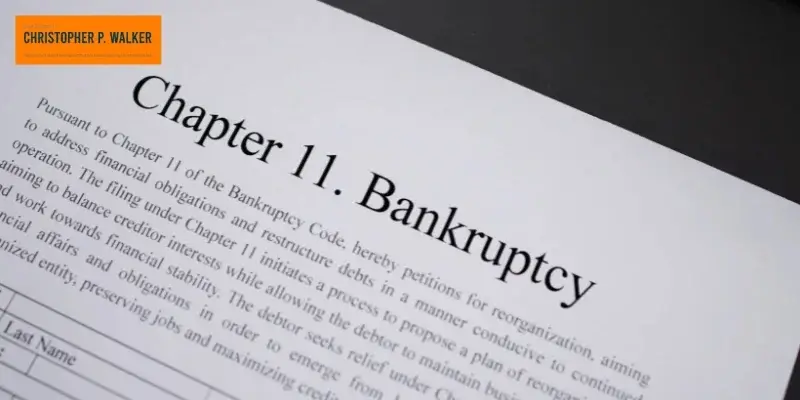
FAQs About Chapter 11 Cash Flow Management
Who Oversees a Chapter 11 Bankruptcy Case?
A Chapter 11 case is filed in and handled by a federal bankruptcy court and administered by the United States Trustee Program of the U.S. Department of Justice.
The U.S. Trustee ensures that the bankruptcy case is administered in accordance with the law, reviews financial disclosures, and works to ensure that debtors fulfill their obligations under federal bankruptcy law. Alabama and North Carolina use Bankruptcy Administrators instead of the U.S. Trustee Program.
What Law Governs Chapter 11 Bankruptcy Cases?
Chapter 11 cases are governed by federal bankruptcy law under 11 U.S.C. § 1101–1174, which establishes the legal framework for business reorganizations. These statutes govern how debtors can operate a business and propose a plan to reorganize some debts. The federal bankruptcy courts use these laws to evaluate financial statements, approve plans of reorganization, and oversee the administration of bankruptcies in general.
How Common Are Business Bankruptcy Filings in the United States?
Business bankruptcies are filed every day around the country as companies experience financial difficulties. According to the Administrative Office of the U.S. Courts, there were 24,737 business bankruptcy filings in the United States during the 12-month period ending December 31, 2025. Chapter 11 is one option businesses may use to reorganize their debts rather than immediately liquidating assets.
Does Filing Chapter 11 Stop Creditor Collection Actions?
Most creditors are stopped from collection activity when a Chapter 11 bankruptcy case is filed, as a result of the automatic stay. The automatic stay generally will stop legal claims, wage garnishments, foreclosures, and other collection activities after the bankruptcy case is filed. This allows the debtor time to assess the options and to make a plan to deal with existing obligations as part of the reorganization.
Contact a Chapter 11 Bankruptcy Lawyer
Chapter 11 reorganization is an important legal remedy for businesses that need to deal with burdensome debt, continue operations, and try to get their finances back on track. But to effectively use this process, many businesses need to be careful about financial reporting and cash flow management in their case.
Operating costs must be balanced with the longer-term objective of restructuring debt under a court-approved plan. Learning how expenses, creditors, and financial disclosures work during Chapter 11 can keep a business organized throughout this process.
The Law Office of Christopher P. Walker can help individuals and businesses understand bankruptcy options and the legal requirements of financial restructuring. Book a consultation today to hire a Chapter 11 bankruptcy lawyer.